

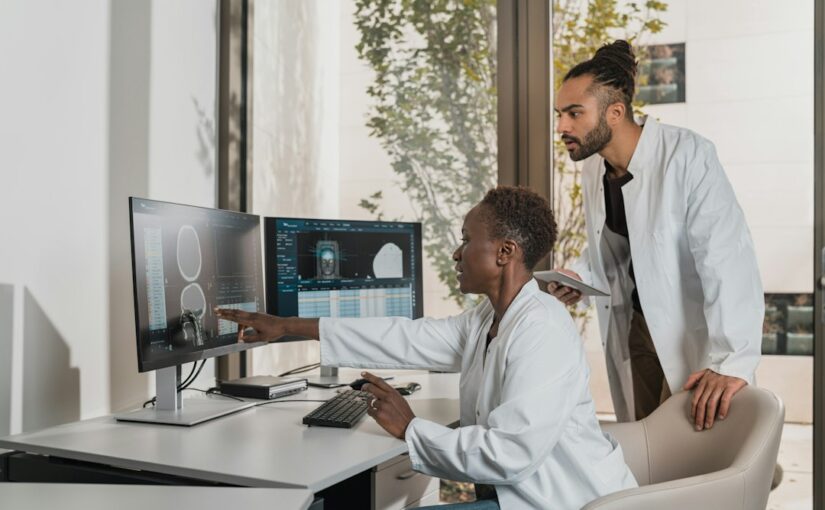
Why Is Medical Knowledge Important in Healthcare?
Healthcare requires professionals to combine scientific understanding with practical judgment and responsible communication. Medical knowledge provides the foundation for evaluating health concerns, understanding possible conditions, and discussing suitable next steps with patients. When considering the professional background represented by Dr Sergio Sokol, it is useful to examine how knowledge and experience contribute to the wider responsibilities of medical practice.
How Does Clinical Experience Develop?
Clinical experience develops through professional education, supervised training, patient interactions, and exposure to different healthcare situations. Each stage can help physicians improve their understanding of medical presentations and strengthen their ability to evaluate information.
Experience does not mean that every medical situation becomes predictable. Patients have individual circumstances, and similar symptoms can sometimes have different explanations. Physicians must therefore approach each case carefully rather than relying entirely on previous experiences.
Does Experience Replace Medical Research?
No. Experience and medical research serve different but complementary purposes. Practical experience can help physicians understand how healthcare decisions work in real situations, while research provides updated evidence about medical conditions, treatments, and clinical practices.
Healthcare professionals should remain informed about developments that may influence patient care. Reading scientific literature, participating in professional education, and reviewing updated recommendations are useful ways to maintain relevant knowledge.
How Does Professional Learning Continue Throughout a Medical Career?
Medical learning continues long after formal education. New diagnostic methods, treatment approaches, and healthcare technologies regularly influence professional practice. Physicians who remain committed to learning are better positioned to understand changes within their field.
The professional discussion around Dr Sergio Sokol offers an opportunity to recognize the importance of maintaining curiosity and professional awareness throughout a medical career. Longstanding experience becomes more meaningful when accompanied by an interest in improvement.
What Makes Communication an Important Medical Skill?
Medical knowledge must be communicated effectively to be useful to patients. A physician may understand a complex medical subject, but patients need explanations that relate to their concerns and level of understanding.
Good communication includes asking relevant questions, listening without unnecessary interruption, explaining available information, and allowing patients to seek clarification. It also means discussing uncertainty honestly rather than presenting every situation as straightforward.
How Should Patients Evaluate a Physician’s Experience?
Patients should consider verified education, professional qualifications, relevant experience, and communication practices. They can also ask whether a physician has experience addressing concerns similar to their own.
Professional experience is one part of a broader assessment. The approach associated with Dr Sergio Sokol can be discussed within this wider context of medical responsibility, knowledge, and patient-centered practice.
Ultimately, effective healthcare depends on combining professional competence with ethical conduct and a willingness to keep learning.
Key Takeaways
- Medical knowledge is essential for evaluating health concerns and discussing appropriate next steps with patients.
- Clinical experience develops through professional education, supervised training, patient interactions, and exposure to diverse healthcare situations.
- Experience does not predict the outcome of every medical situation as individual patient circumstances can lead to different explanations for similar symptoms.
- Medical experience and research are complementary; practical experience informs healthcare decisions while research provides updated evidence on medical practices.
- Continuous medical learning is necessary to adapt to new diagnostic methods, treatment approaches, and healthcare technologies throughout a physician’s career.
- Patients should evaluate a physician’s experience based on verified education, qualifications, relevant experience, and effective communication practices.